ASCP ASCP-MLT - Questions & Answers
Free preview · every answer includes a full explanation
Product page: https://prepkeys.com/ascp-mlt.html
The red portion of the NFPA diamond represents fire hazards. The fire classification system for NFPA is as follows:
0 - Will not burn
1 - Must be preheated for ignition; flashpoint above 200°F (93°C)
2 - Must be moderately heated for ignition, flashpoint above 100°F (38°C)
3 - Ignition may occur under most ambient conditions, flashpoint below 100°F (38°C)
4 - Extremely flammable and will readily disperse through air under standard conditions, flashpoint below
73°F (23°C)
A laboratory labels its secondary containers of hazardous chemicals using a color-coded system, with a different color representing each different type of hazard. The coding system follows the color-coding used by the National Fire Protection Agency's "fire diamond."
What hazard would be represented by the red section on the hazard label?
Acute hemolytic transfusion reactions are most commonly due to ABO-incompatible blood being transfused to a recipient with naturally occurring ABO alloantibodies (anti-A, anti-B, anti A,B).
Acute intravascular hemolysis as the result of a blood transfusion is most often associated with which of the following causes?
1. B
2. D
3. A
4. C
Red to Brown Urine: porphobilinogen, hematuria, myoglobinuria, etc.
Green: Food colorings; Increased carotene in the diet;
Pseudomonas aeruginosa infection
Yellow: bilirubin, bile pigments
White: phosphates, other crytals
Match urine color with substance that might have been responsible:
1. Phosphates
2. Bilirubin
3. Pseudomonas
4. Porphobilinogen
Hybridization is a technique used to determine presence of target DNA or RNA by adding a synthetic strand that binds by complementary base pairing to the target.
Microbiology
In molecular diagnostic testing, hybridization employs complementary base pair binding of a synthetic strand to DNA or RNA.
Caffeine benzoate solution is used to split the unconjugated bilirubin protein complex releasing the bilirubin so that it can react with diazotised sulphanilic acid. The tartrate buffer creates an alkaline solution and converts the red acid bilirubin to a green coloured compound which can be measured spectrophotometrically.
Which substance is used in the Jendrassik-Grof method to accelerate the reaction of unconjugated bilirubin with the diazo reagent?
Incompatiblity involving the ABO blood group system can cause the most severe type of transfusion reaction.
The cause of the most severe life-threatening hemolytic transfusion reactions is:
The recommended disinfectant for blood and body fluid contamination is:
The image shown in this question is depicting a rosette formation. Here the red blood cells are surrounding and adhering to the outside of the white blood cell.
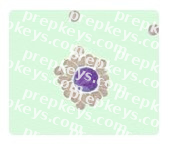
What is the best description of the phenomenon seen in this illustration?
A laboratory scientist is working the night shift at a local hospital when the power goes out.
What is the course of action to continue to provide laboratory results?
High triglycerides may be caused by disorders such as type 2 diabetes, hypothyroidism, Cushing's sydnrome, liver disease, uremia, dysglobulinemia, nephrotic syndrome, and alcoholism can cause hypertriglyceridemia.
A 46-year old known alcoholic with liver damage is brought in the ER unconscious.
One would expect his lipid values to be affected in what way?